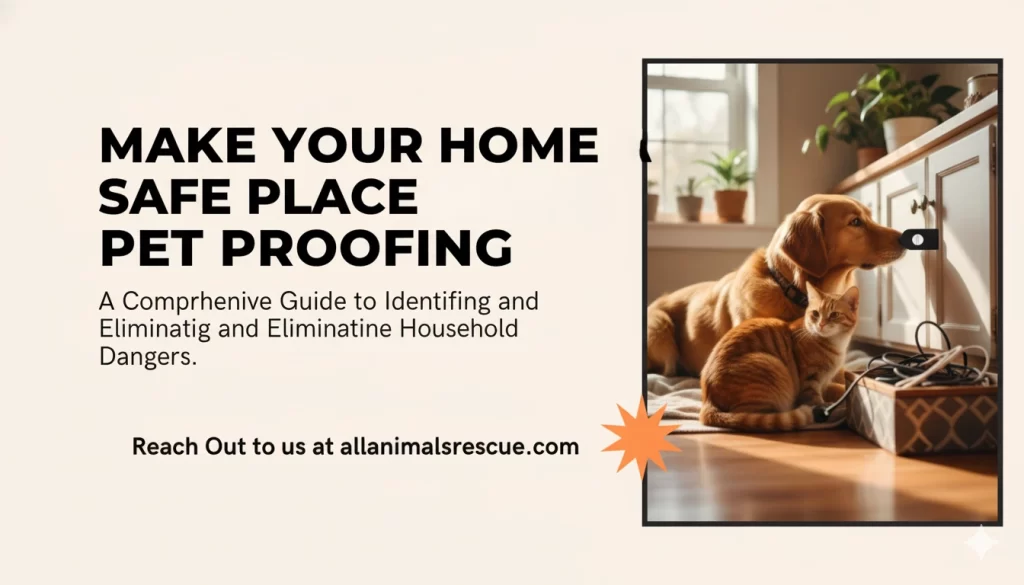
Create a Safe Pet Space: Humane Pet Proofing Your Home
Having a pet is amazing, but it’s also a big responsibility, especially when it comes to their safety at home. You want them to have the freedom to explore without putting themselves in harm’s way. This guide will help you pet-proof home and create a safe home environment for dogs and cats where your furry friend can roam safely and comfortably.
Understanding Pet-Proofing
What is Pet-Proofing?
Pet-proofing tips are all about making your home safe for your pet. It means going around and identifying things that could be dangerous, then taking steps to keep them out of your pet’s reach. It’s like setting up a little sanctuary for your pet where they can play, sleep, and be themselves without any risks lurking around. The goal is to make home safe for pets, not work against them.
Why Pet-Proofing Your Home is Essential
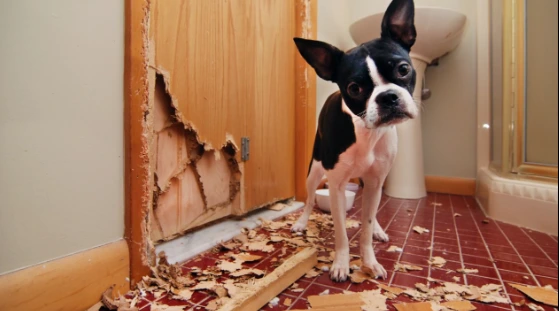
Pets are naturally curious, and let’s be honest, they can get into some pretty questionable situations. Whether it’s chewing on cables, eating something they shouldn’t, or getting into chemicals, there’s always the chance they could end up hurt or sick. Pet-proofing your home isn’t just about avoiding a trip to the vet — it’s about giving you peace of mind. Knowing your pet is safe while you’re away or just relaxing at home is worth the effort.
Identifying Common Household Hazards for Pets
Toxic Foods for Pets
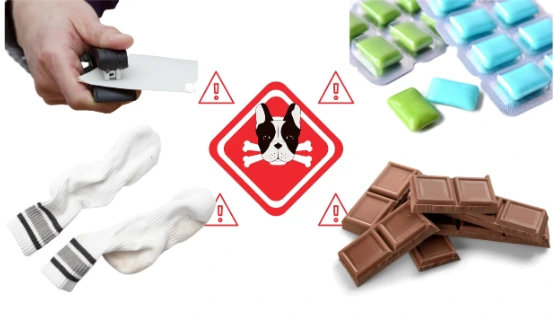
It’s vital to know which foods are a danger to your pet. Things like chocolate, grapes, raisins, garlic, onions, and xylitol (a sweetener) can make them really sick. Keeping these things out of reach is a must. Make sure food is stored safely, and always clean up any crumbs or spills immediately — because even a little chocolate can cause big problems. Pet First Aid For Common Injuries offers great insights in case your pet consumes something toxic.
Cleaning Supplies and Household Chemicals
We all use cleaning products, but they’re often full of harsh chemicals that can be toxic if your pet gets into them. Things like bleach, cleaners, disinfectants, and even some air fresheners can be harmful. Keep these in locked cabinets or on high shelves where your pet can’t get to them. Learn more about toxic household items for pets. Safety first!
Medications and Supplements
Medications — whether yours or your pet’s — should be kept in a safe place. Pets often chew on things they shouldn’t, including pill bottles or medicine bottles, which could lead to accidental overdoses. A locked cabinet is a good idea for anything that could harm them.
Plants Poisonous to Pets
A lot of common plants are actually poisonous to pets, and it’s easy to forget about that. Plants like lilies, azaleas, sago palms, and tulips can cause everything from stomach issues to organ failure. If you’ve got these in your house or garden, either remove them or make sure your pet can’t get anywhere near them.
Pet-Proofing Your Home Room by Room
Kitchen Safety for Pets
The kitchen is one of the biggest trouble spots in the house. There are food, trash cans, cleaning supplies — all sorts of hazards. Store your food (especially dangerous stuff like chocolate) in secure cabinets or high places. Keep the trash covered, and clean up spills or immediately invest in secure trash cans and latches. If something falls on the floor, get rid of it before your pet finds it first.
Make sure your kitchen also has pet-safe flooring options like tile or vinyl, which are easier to clean and non-toxic.
Living Room Safety for Pets
The living room is where your pet will probably spend a lot of time, so make sure it’s safe. Get cord covers for any electrical cords — pets love to chew, and you don’t want them to get shocked. Small objects like remote controls or pens can be choking hazards, so put those things out of reach too.
For pet owners worried about decor, choose safe furniture fabrics like microfiber or leather, which resist stains and scratches. Learn how to protect older pets indoors with Caring For Your Aging Pet.
Bathroom Safety for Pets
Bathrooms can be surprisingly dangerous for pets. For starters, always keep toilet lids down so they don’t drink from the toilet bowl. Medications, cleaning supplies, and cosmetics should all be stored in a cabinet that’s secure, away from curious paws.
Bedroom Safety for Pets
Your bedroom is a sanctuary, and it should be safe for your pet, too. Keep small things like jewelry, hair ties, or loose change off the floor where your pet could swallow them. Also, make sure any cords are safely out of reach, and if you use a pet bed or crate, place it somewhere they feel comfortable and secure.
Outdoor Hazards for Pets
Pet-proofing doesn’t stop indoors. If you’ve got a yard, you need to make sure it’s secure. A strong fence will keep your pet from running off or getting into dangerous situations. Also, remove any toxic plants, and keep your garden tools and chemicals locked up in a shed so your pet can’t get into them.
If your pet enjoys outdoor time, make sure your yard or balcony is pet-friendly. Install fencing or netting to secure balcony for pets and remove any harmful plants or chemicals.
A safe outdoor space also means choosing pet-friendly flooring like turf or pet-safe wood.
Practical Pet-Proofing Techniques
Securing Cabinets and Lids
Start with the basics: securing cabinets and lids. If you’ve got cleaning products, food, or medications that need to be stored, make sure they’re in locked cabinets or on high shelves. Using childproof locks on lower cabinets will help keep your pet from getting into things they shouldn’t.
Using Latches and Safety Devices
Adding baby gates to block off rooms or stairs is a great way to keep your pet out of dangerous areas. You can also use safety latches on cabinets to prevent them from being opened by curious paws. Cord covers are essential for preventing your pet from chewing on electrical cords. It’s these small things that make a big difference.
Keeping Laundry and Shoes Out of Reach
It may seem like a small thing, but laundry and shoes can be a risk. Socks, underwear, and small items can be swallowed, and shoes can have dirt, chemicals, or bacteria on them. Always store shoes in a closed closet, and keep laundry hampers secure to avoid any mishaps.
Regular Safety Checks
Pet-proofing isn’t a “set it and forget it” deal. You should check your home regularly for new hazards. Things like loose cords, new toys, or changes in your pet’s behavior (like chewing something they didn’t before) might require extra precautions. Stay vigilant and keep adjusting your pet-proofing as needed this pet safety checklist from the American Kennel Club (AKC) is a great tool to make sure you’re not missing anything important.
Summary
Creating a safe space for your pet at home is essential for their well-being. This guide walks you through practical pet-proofing tips for each room, from securing dangerous items to choosing pet-safe materials. You’ll also find ways to prevent pet accidents, prepare for emergencies, and ensure a comfortable, hazard-free environment for your furry friend.