
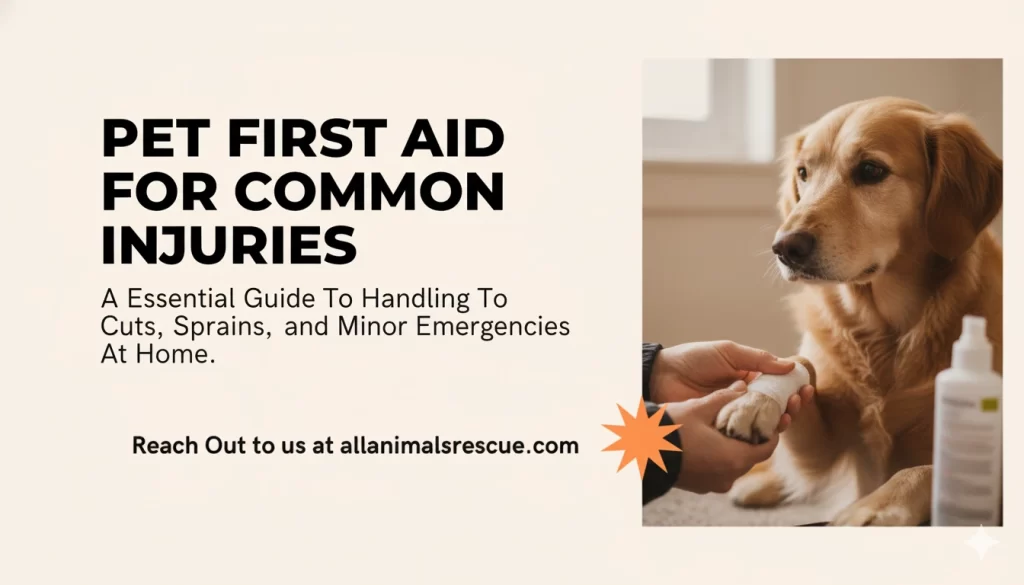
Emergencies happen unexpectedly, especially when they involves our pets. As a dog owner, being prepared with the right knowledge and tools can be the difference between life and death for your dog. While you can’t predict when an emergency will occur, having a pet first aid kit and knowing some pet first aid tips can make all the difference.
Understanding Pet Emergencies
Emergencies are unpredictable, and knowing how to react in the first few minutes can help your pet’s chances. Having a pet first aid kit readily available is one of the best ways to ensure you’re ready for anything.
This kit will help you manage common pet injuries first aid situations until you can get your pet to the vet. Fast, simple actions during the first few moments are crucial for your pet emergency care.
If you’re dealing with the loss of a pet during an emergency, check our guide on how to heal after losing a pet for support.
Common Pet Emergencies
Whether it’s an injury or an unexpected illness, there are several things that can suddenly go wrong with your pet. A broken bone, severe bleeding, or even an allergic reaction are some of the most common emergencies. It’s important to know when your dog might need help and to have a general understanding of what to do, especially if they’re struggling to breathe or are choking.
To better understand poisoning symptoms, consult the ASPCA Animal Poison Control Center.
Signs Your Dog Needs Immediate Help
Being able to identify when your dog needs immediate care can save precious time. If your dog is vomiting continuously, having trouble breathing, or can’t move due to an injury, it’s time to act. Other signs that need urgent attention are seizures, poisoning, or a broken bone.
Recognizing seizure first aid for pets is especially critical to prevent further complications.
The Importance of Immediate Response
When something goes wrong, time really does matter. Quick action can stabilize your pet and prevent things from getting worse before you get them to a vet. In any Pet emergency care, it’s not just about knowing what to do—it’s about doing it fast. Every second counts, so the sooner you act, the better the chances your pet will have.
Common Injuries in Dogs and Cats
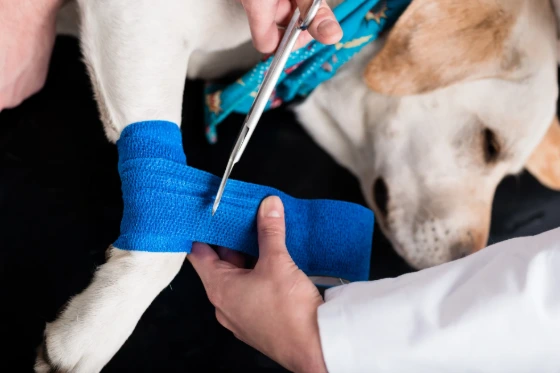
- Bleeding: If your dog is bleeding, it’s important to apply pressure with a clean cloth or a bandage. If the bleeding doesn’t stop, you need to see a vet right away.
Having some basic dog bleeding first aid knowledge helps you manage the situation effectively.
- Broken Leg: If your dog breaks a leg, don’t try to reset the bone. Keep the leg still, and transport them to the vet. The key is to keep your dog as calm and still as possible.
- Burns and Scalds: For burns, cool the area with lukewarm water—avoid ice. Don’t put butter or ointments on the burn. Cover it with a clean bandage and head to the vet immediately.
Knowing what to do for pet burns ensures you’re not making things worse.
-
Poisoning: If you think your dog has ingested poison, don’t wait. Call your vet or poison control. Don’t make your dog vomit unless a professional advises it. Spotting the symptoms of pet poisoning early can save your pet’s life.
- Seizures: During a seizure, move anything dangerous away from your dog. Don’t hold them down or put anything in their mouth. Time the seizure and, once it’s over, keep your dog warm and quiet. See a vet as soon as possible.
- Eye Injuries: Eye injuries can be serious. Never try to remove anything from your dog’s eye. If the injury is minor, you can rinse gently with saline, but always take your dog to the vet to prevent permanent damage.
- Heatstroke: Heatstroke is life-threatening. If your dog is panting heavily, drooling, or acting lethargic, get them to a cooler place. Use lukewarm water to cool them down (not ice water) and give small sips of water if they can drink. Take them to the vet as soon as possible. Learn more from the AKC guide on heatstroke in dogs.
- Stings: If your dog gets stung, remove the stinger carefully with a credit card or similar object. Apply a cool compress to reduce swelling. Watch for signs of an allergic reaction, and if any occur, take your dog to the vet.
- Swollen Tummy: If your dog has a bloated belly and is retching, restless, or in pain, it could be bloat—a life-threatening condition. This is an emergency. Don’t try to treat it yourself; take your dog to the vet immediately.
- Choking: If your dog is choking, check to see if you can remove the object. If not, and they are still conscious, try performing the Heimlich maneuver. If your dog is unconscious, get to a vet immediately.
Essential Pet First Aid Supplies
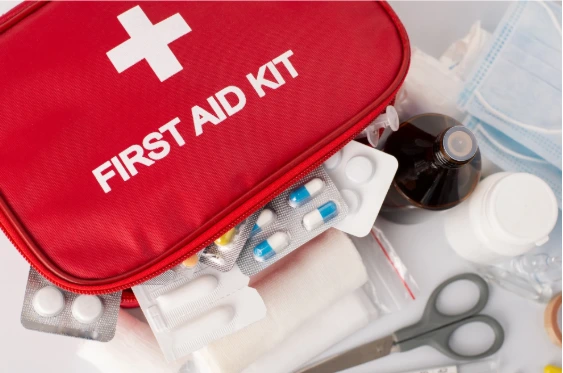
Every dog owner needs a well-stocked first aid kit. You never know when you’ll need it, so having the right tools on hand is essential. At a minimum, your first aid kit should include sterile gauze, bandages, antiseptic wipes, scissors for trimming fur around wounds, and a thermometer. Non-stick bandages, self-adhesive wraps, disposable gloves, and a flashlight are also important items for your kit. For a detailed checklist, visit PetMD’s pet first aid kit essentials.
First Aid Tips for Pet Owners
Basic first aid knowledge can go a long way in an emergency. The idea isn’t to replace a vet’s care but to stabilize your dog until you get professional help. Remember, it’s important to stay calm, act quickly, and focus on preventing further harm. Planning ahead also includes dead animal removal services in unfortunate situations.
Performing Pet CPR: A Step-by-Step Guide
Knowing CPR for pets could save their life if they stop breathing. First, check that their airway is clear. If it’s blocked, remove the obstruction. If not, place your dog on their side and apply chest compressions. For a small dog or cat, you can use your fingers to compress their chest. The goal is to compress the chest about one-third of its width at a rate of 100-120 compressions per minute. After 30 compressions, give two rescue breaths by closing your dog’s mouth and blowing gently into their nostrils. Repeat until your dog starts breathing or you reach a vet.
Preventing Pet Emergencies
It’s always better to prevent emergencies than to deal with them. You can reduce the risk of dangerous situations by being mindful of your pet environment. Take steps to avoid potential hazards, both indoors and outdoors. Create a safe, secure environment for your pet to live and play in.
Creating a Safe Environment for Your Pet
Make sure your home is safe by storing medications, cleaning products, and harmful foods (like chocolate or xylitol) out of reach. Check your yard for poisonous plants, and make sure fences are secure to prevent escapes. For honoring your furry friend, explore our selection of pet memorial items. Regularly inspect your dog’s toys to make sure they’re safe, and keep small objects off the floor to avoid choking hazards.
Educating Every Pet Parent on First Aid
Learning about pet first aid is essential for every pet owner. There are plenty of resources available, from local veterinary clinics to online courses, where you can learn the basics. These classes teach you how to recognize emergencies, perform first aid, and respond effectively to a variety of situations.
First Aid Kit for Dogs
A first aid kit tailored for dogs should include some specific items beyond the basics. Consider adding an Elizabethan collar to prevent your dog from licking wounds, a muzzle for safe transport, and sturdy tweezers for removing splinters. It’s also a good idea to keep your vet’s contact information handy, along with the nearest emergency clinic and a poison control hotline.
Summary
This guide covers essential pet first aid tips every dog and cat owner should know. From treating common injuries like bleeding and burns to performing CPR and managing emergencies like poisoning or heatstroke — the article equips pet parents with the tools and knowledge to respond quickly and effectively before reaching a vet.