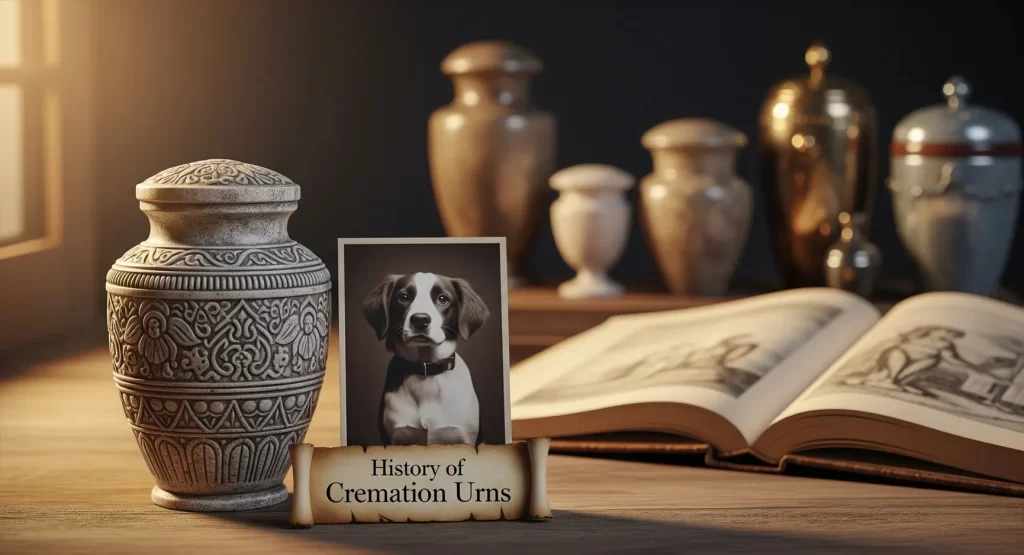
The history of cremation urns spans thousands of years, evolving from simple stone vessels to elaborate artistic tributes that reflect cultural significance.right? From being just a vessel for ashes to a meaningful tribute, urns have changed a lot. Let’s take a look at how they started and why they still matter today.
The Stone Age – Early Evidence
Cremation’s been around since the Stone Age. People didn’t just start burning the dead last year—they’ve been doing it for a long time. Back then, urns were made from stone or clay, and they were super basic. There wasn’t much thought put into it. But it was still a way to keep ashes safe and in one place.
People didn’t have the technology we do now, but they still figured out a way to deal with death. So, even back then, urns were part of that. For more on the evolution of ancient burial practices, you can explore this National Geographic article on early burial customs.
The Greeks and Romans
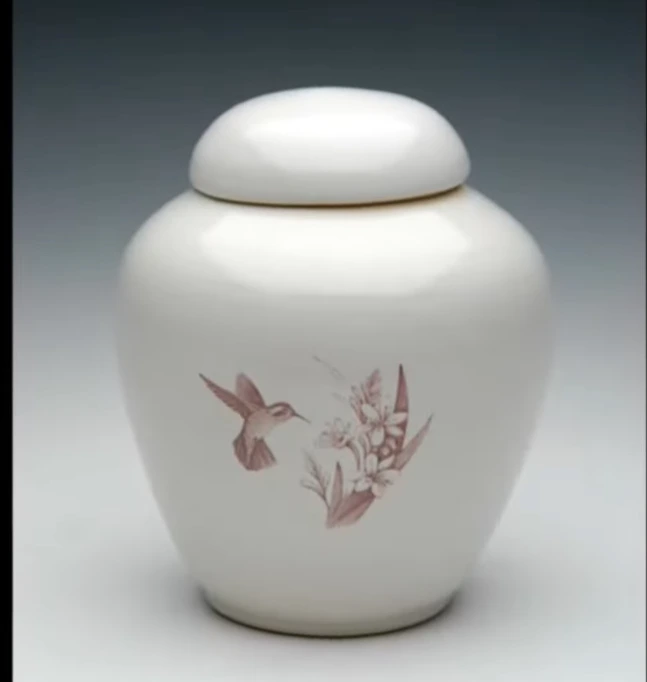
By the time the Greeks and Romans came around, cremation was pretty standard, especially for the wealthy. But what set them apart was how they started using urns. Romans, especially, took urns to a whole new level. They weren’t just practical anymore—they were art. These urns were made from marble, bronze, and other high-end materials.
People didn’t just put ashes in them; they also told the story of the person’s life. They showed respect, honor, and even status. It wasn’t just about ashes. It was about how they wanted to be remembered.To learn more about ancient Roman burial customs, check out this article on Roman funerary practices.
The History of Cremation Urns: Origins and Cultural Significance
Ancient Rome to Early Christianity
As Christianity started spreading, though, attitudes changed. Early Christians didn’t like cremation. They thought it was better to bury the dead. Over time, burial became the main way to handle death. Cremation and urns kinda faded out in the West. But they didn’t disappear. You’d still see urns in some Christian tombs, but they weren’t as important. They became more about symbolism than actual use.
Asia and Europe’s Influence
Throughout Asia and Europe, different cultures shaped the history of urns and cremation. This influence is apparent when considering the variety of cremation practices, such as:
- The unique cultural significance of cremation among the Slavic peoples.
- The distinct styles of pottery urns used to hold the cremated remains in some cultures.
This shows how different societies adapted and valued cremation, leading to a diverse range of cremation urn designs, each reflecting local customs.
Evolution of Urn Design Over Time
Materials of Ancient and Modern Urns
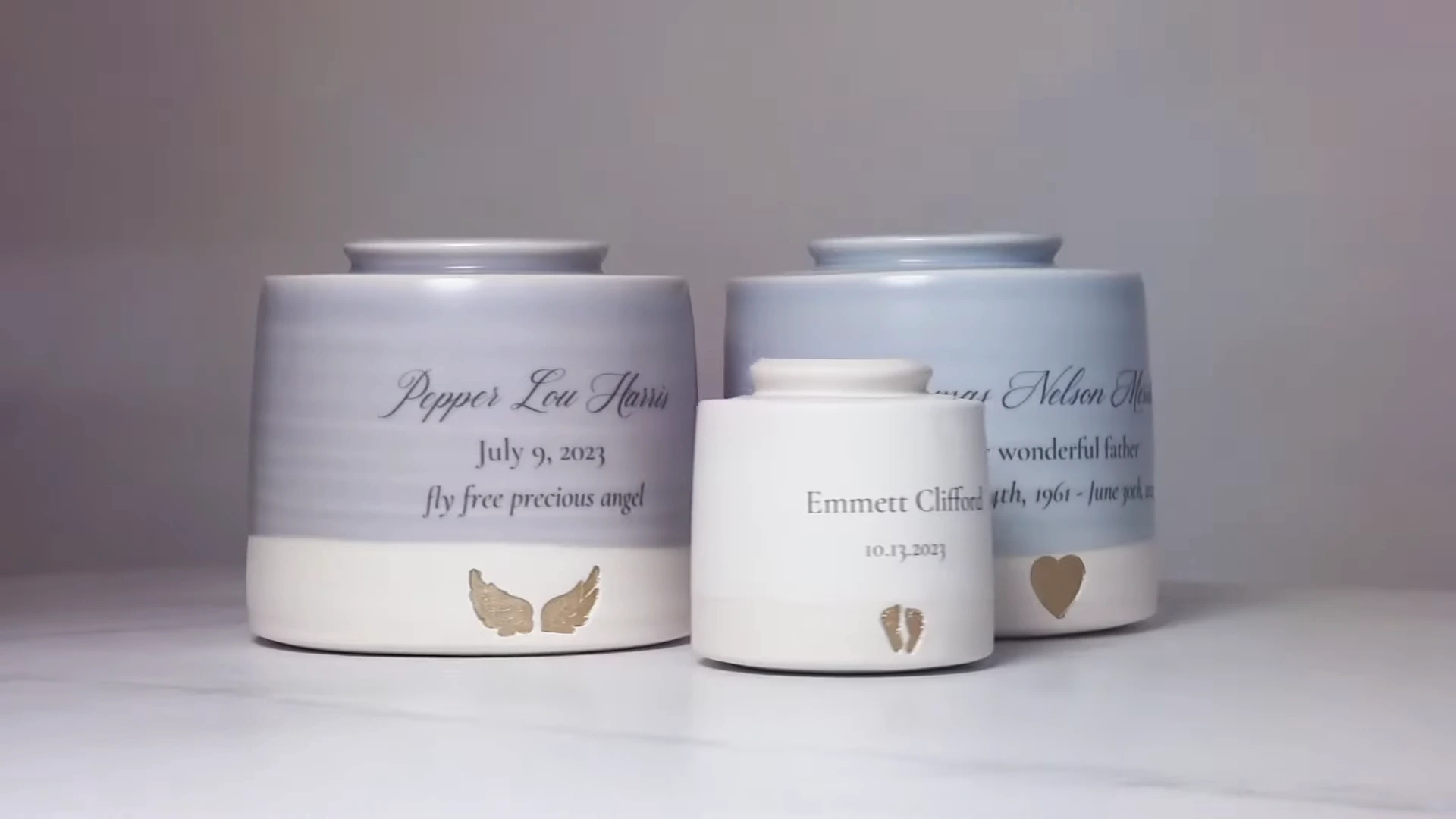
Early urns were made from stone or clay—whatever was available at the time. But as time passed, Romans started making urns out of marble and bronze. Fast-forward to today, and urns are made from all kinds of stuff—pottery, glass, even biodegradable materials. It’s interesting how the materials tell you so much about the culture and the time.
| Era | What It Was Made From |
|---|---|
| Stone Age | Clay, Stone |
| Roman Empire | Marble, Bronze |
| Modern Times | Pottery, Biodegradable Materials |
The Roman Empire saw elaborate cinerary urns made from marble and precious metals. Today, the materials range from traditional pottery to modern biodegradable options, catering to diverse preferences. The history of urns is, in many ways, a history of materials.
Forms and Functions
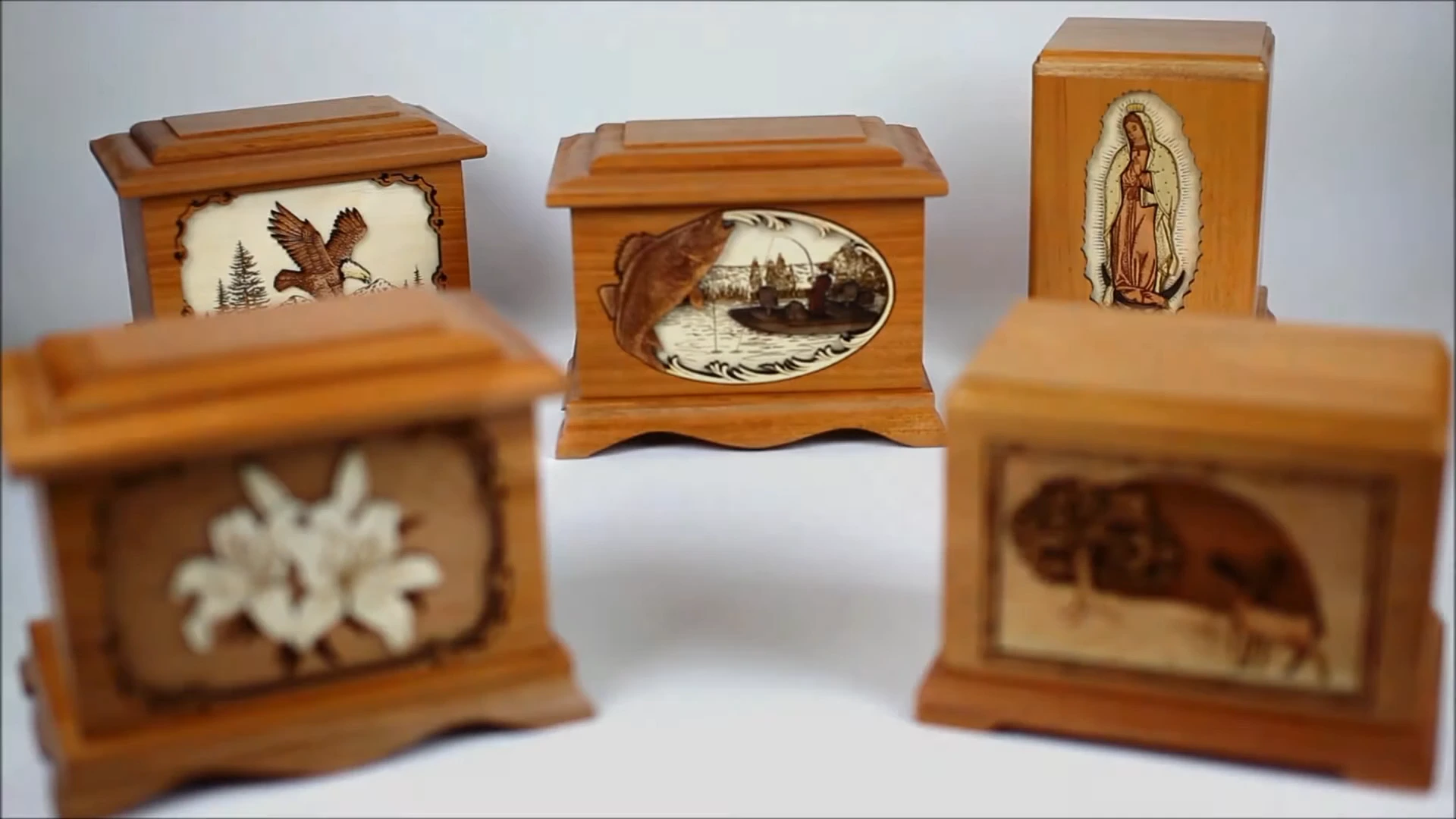
At first, urns were just meant to hold ashes. That was it. But over the centuries, they became more than that. In Rome, urns were made to represent the person’s life, status, and even beliefs. Today, urns are used to celebrate the life of the person who passed. People choose urns that reflect their loved one’s personality or hobbies. Some even get custom urns with engravings, or go for eco-friendly options.
| Era | What Urns Were Used For |
|---|---|
| Early Urns | Hold ashes |
| Later Urns | Represent beliefs, status, etc. |
| Today’s Urns | Celebrate and personalize life |
Urns have also served as status symbols and for communal burial. Today, various options exist, like keepsake and miniature urns, alongside traditional burial urns. The urn now often serves as a focal point for memorialization.
Why Cremation Urns Still Matter Today
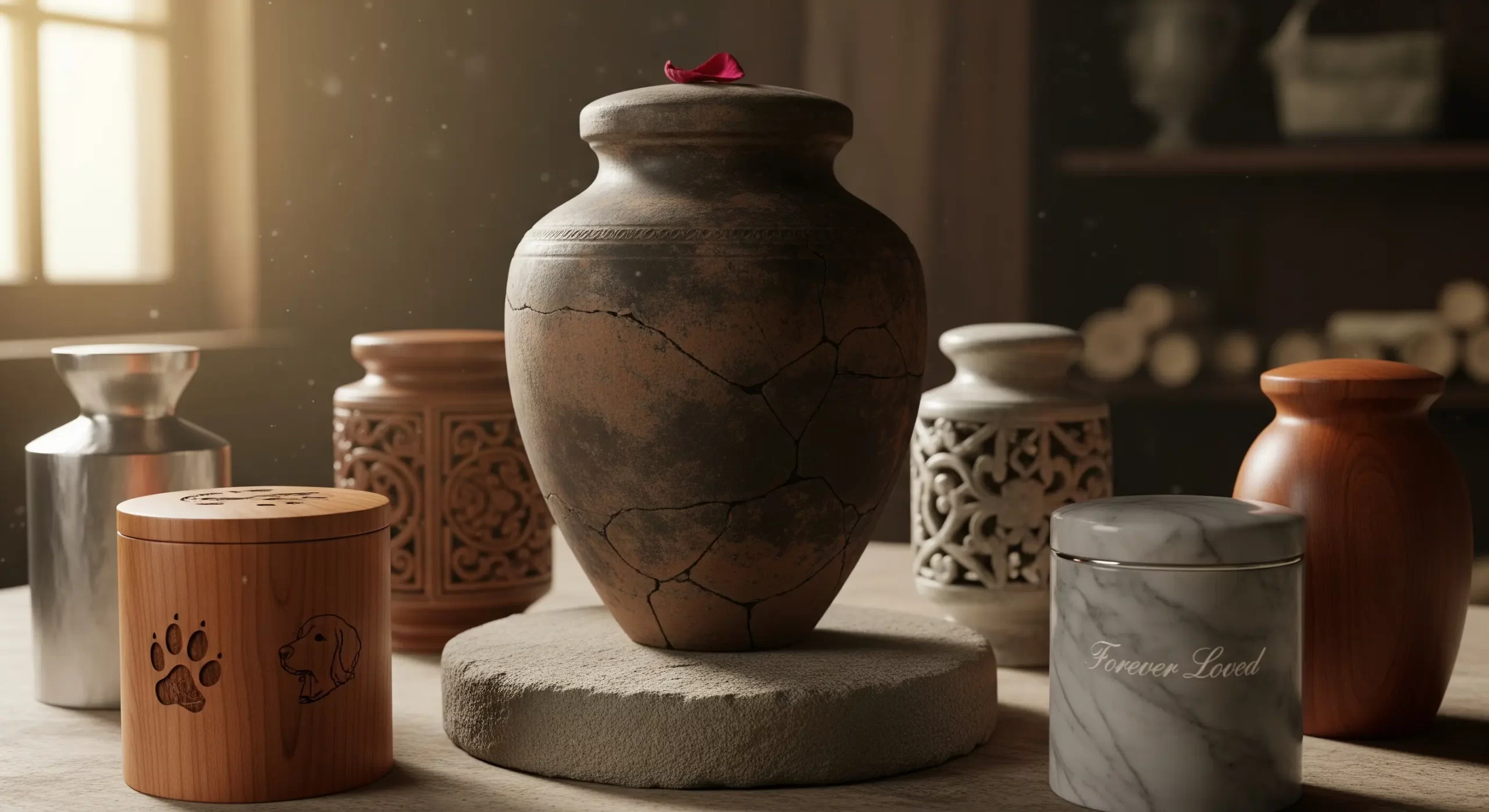
Even though burial is still the more common practice, cremation has been rising in popularity. It’s cheaper, more eco-friendly, and gives people more options. That’s where urns come in. They’re not just for holding ashes anymore—they’ve become a symbol. People pick urns that represent the person who’s passed away, whether through custom designs or eco-friendly options. Some urns even turn ashes into a tree, which is a beautiful way to honor someone’s memory.
The role of urns has evolved, but their core purpose hasn’t changed. They’re still a way to remember, honor, and keep the memory of our loved ones alive.